






Ghid de cumpărare a umbrelelor de grădină în aer liber: țesătură, cadru, rezistență la vânt și personalizare
Postat de Administrator
Ce face o umbrelă bună de grădină în aer liber: răspunsul scurt
Cea mai bună umbrelă de grădină exterioară pentru majoritatea teraselor este ușor de descris: a Copertina UPF 50 dintr-o țesătură rezistentă la intemperii , a cadru robust cu 8 nervuri cu un stâlp din aluminiu sau lemn de esență tare , un blat cu aerisire sau cu dublu strat dacă zona dvs. are rafale de vreme și o bază suficient de grea pentru dimensiunea baldachinului. Culoarea, forma, mecanismul de înclinare și marca sunt preferințe pe care le puteți ajusta ulterior fără a compromite siguranța sau durata de viață.
Majoritatea umbrelelor de grădină nu se potrivesc din trei motive: țesătura baldachinului se estompează și se mucegește după unul sau două sezoane, coastele se îndoaie la prima rafală puternică sau baza este prea ușoară pentru a menține umbrela în poziție verticală. Rezolvați aceste trei probleme în prima zi și umbrela va rezista, de obicei, mai mult decât mobilierul pe care îl nuanțește.
Înainte de a compara prețurile, treceți orice candidat prin această listă de verificare rapidă:
- Un baldachin clasificat UPF 50, de preferință acrilic vopsit în soluție sau poliester acoperit cu PU
- Cel puțin 8 nervuri, cu un stâlp de aluminiu sau lemn de esență tare de cel puțin 32 mm grosime pentru umbrele de 8 picioare și mai mari
- Un baldachin ventilat sau cu două straturi, dacă umbrela va sta într-o zonă deschisă, cu vânt
- O greutate de bază potrivită cu baldachinul, nu cea mai ieftină bază din magazin
- Un mecanism de înclinare sau manivelă care se potrivește cu cât de des va fi reglată umbrela în fiecare zi
Secțiunile de mai jos explică fiecare decizie în ordinea în care contează: mai întâi țesătura, apoi rama, apoi vântul, apoi dimensiunea.
Țesătură pentru baldachin și protecție UV: Ce înseamnă cu adevărat UPF 50
Un baldachin cu UPF 50 permite trecerea doar a 1/50 din radiația ultravioletă, ceea ce înseamnă că blochează aproximativ 98% din razele UV . Aceasta este definiția standard folosită de laboratoarele internaționale de testare a textilelor și este nivelul pe care ar trebui să-l îndeplinească majoritatea umbrelelor de grădină atunci când vor fi folosite pentru mai mult decât un mic prânz. Dacă plănuiți să stați sub umbrelă după-amiezi întregi, un baldachin UPF 50 nu este un lux; este linia de bază.
Dar UPF este doar jumătate din povestea materialului. Un baldachin de umbrelă petrece sute de ore în soare direct în timpul verii și, de asemenea, este lovit de ploaie, praf, excremente de păsări și roua dimineții. Țesătura trebuie să se ocupe de toate acestea fără a se estompa rapid sau a crește mucegaiul. În practică, umbrelele de grădină se rezumă la două opțiuni de materiale dominante.
Copertine din poliester cu un strat impermeabil
Majoritatea umbrelelor de grădină cu preț mediu folosesc poliester cu un strat de PU (poliuretan). Greutățile comune ale țesăturilor de pe piață variază de la 180 până la 220 g/m² . Poliesterul acoperit cu PU elimină bine ploaia în primele sezoane, se simte ușor când ridicați baldachinul și menține prețul rezonabil. Punctul său slab este stabilitatea pe termen lung a culorii: sub lumina puternică a soarelui, vopseaua se estompează mai repede decât acrilul vopsit în soluție, iar stratul se uzează subțire după ani de pliere, frecare și expunere la UV.
Copertine din acril și pânză
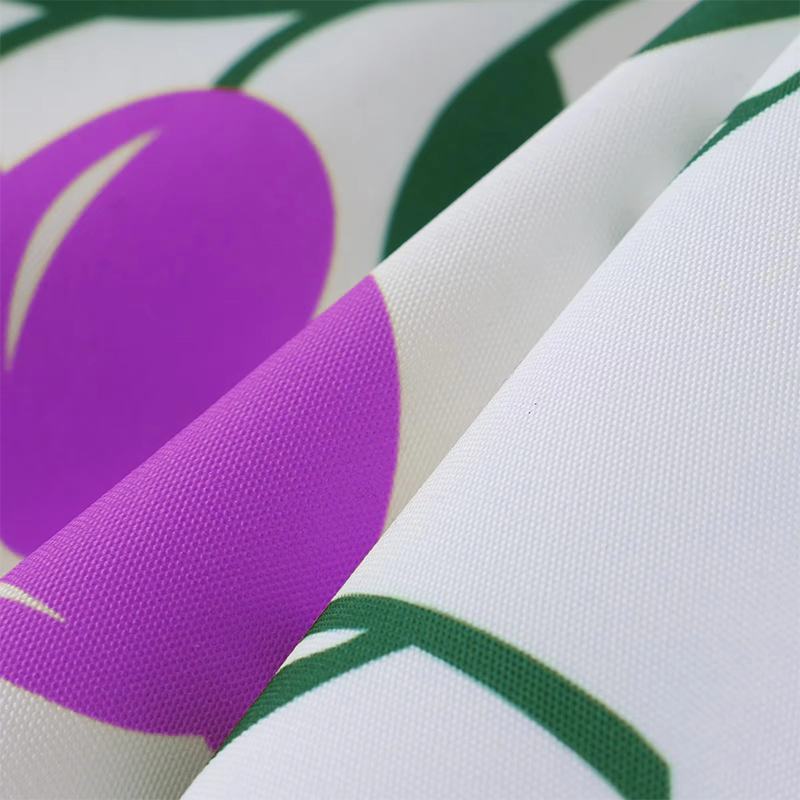
Umbrelele de grădină de ultimă generație folosesc pânză acrilică vopsită în soluție, de obicei în jur 230 până la 280 g/m² . Deoarece pigmentul este amestecat în fibră înainte de filare, culoarea rămâne stabilă pentru multe sezoane chiar și în condiții de soare puternic. Țesătura este în mod natural hidrofugă, dar totuși respirabilă, astfel încât căldura nu se acumulează atât de repede sub baldachin. Copertinele din pânză sunt alegerea potrivită pentru terasele permanente, terasele hotelurilor și restaurantele în care umbrela trebuie să rămână prezentabilă ani de zile.
Alegerea dvs. exactă depinde de instalare: un baldachin din poliester rezistent la UV este o alegere practică, în timp ce un baldachin din pânză este o alegere pentru longevitate. Pentru o privire mai detaliată asupra modului în care fiecare material se comportă sub expunerea reală la soare și ploaie, puteți citi comparația noastră a modului în care materialele umbrelelor de terasă afectează durabilitatea și protecția solară .
| Material | Greutate tipică | Performanță UV | Comportamentul apei | Culoare pe termen lung |
|---|---|---|---|---|
| Poliester acoperit cu PU | 180–220 g/m² | UPF 50 când este acoperit | Mărgelele udă bine în primele sezoane | Se estompează după expunerea puternică la soare |
| Pânză acrilică vopsită în soluție | 230–280 g/m² | UPF 50 stabil | Hidrofug în mod natural | Ține culoarea pentru multe sezoane |
| Pânză cu tratament meteorologic | 220–260 g/m² | Bun | Bariera puternică de apă | Moderat |
Mucegai, apă și îngrijire practică
Nici un baldachin exterior nu este complet rezistent la mucegai. Adevărata problemă este depozitarea unei umbrele umede: umezeala prinsă în jurul coastelor pliate este cea care creează pete negre și mirosuri. Lăsați baldachinul să se deschidă timp de o oră după ploaie, curățați frunzele și excrementele de păsări înainte de închidere, iar majoritatea problemelor cu mucegaiul dispar, indiferent de materialul pe care îl alegeți.
Cadru, stâlp și nervuri: ce face ca structura să dureze
Baldachinul face umbrirea, dar cadrul face supraviețuirea. O umbrelă de grădină este în esență o pârghie cu o pânză mare deasupra. Fiecare rafală de vânt trage de stâlp, de coaste și de articulația în care se întâlnesc. Dacă oricare dintre aceste componente este subțire sau prost conectată, atunci umbrela eșuează prima.
Stalpi din aluminiu vs. stâlpi din lemn de esență tare
Stalpii din aluminiu anodizat sunt ușori, nu ruginesc și nu necesită întreținere, ceea ce îi face să fie standard pentru mecanismele de ridicare și înclinare a manivelei. Sunt utile în special în apropierea piscinelor și în zonele de coastă unde umiditatea atacă metalul. Stalpii din lemn de esență tare oferă un aspect de grădină mai cald, mai clasic și o greutate structurală puternică, dar au nevoie de lăcuire periodică și ar trebui depozitați în interior în timpul iernii.
Numărul de coaste și ce vă spune despre calitate
Numărul nervurilor este cel mai rapid indicator al calității cadrului. O umbrelă cu 6 coaste se lasă între panouri și flutură în briza. An Cadrul cu 8 nervuri menține tensiunea copertinei uniformă și este punctul de plecare rațional pentru o umbrelă de grădină de 9 picioare. Umbrelele comerciale mari folosesc 10 sau 12 nervuri pentru a menține un baldachin mai larg neted. Mai multe nervuri distribuie, de asemenea, sarcina vântului mai uniform, astfel încât copertina este mai puțin probabil să se răstoarne la margini în timpul unei rafale bruște.
Pentru majoritatea teraselor rezidențiale, o structură de 9 picioare și 8 nervuri oferă cel mai bun echilibru între acoperire, tensiune și cost. Dacă doriți să vedeți specificația exactă în producție, Umbrelă de grădină mare de 9 picioare și 8 nervuri în gama noastră de curte arată cum numărul nervurilor, diametrul stâlpului și dimensiunea baldachinului sunt potrivite într-un singur design.
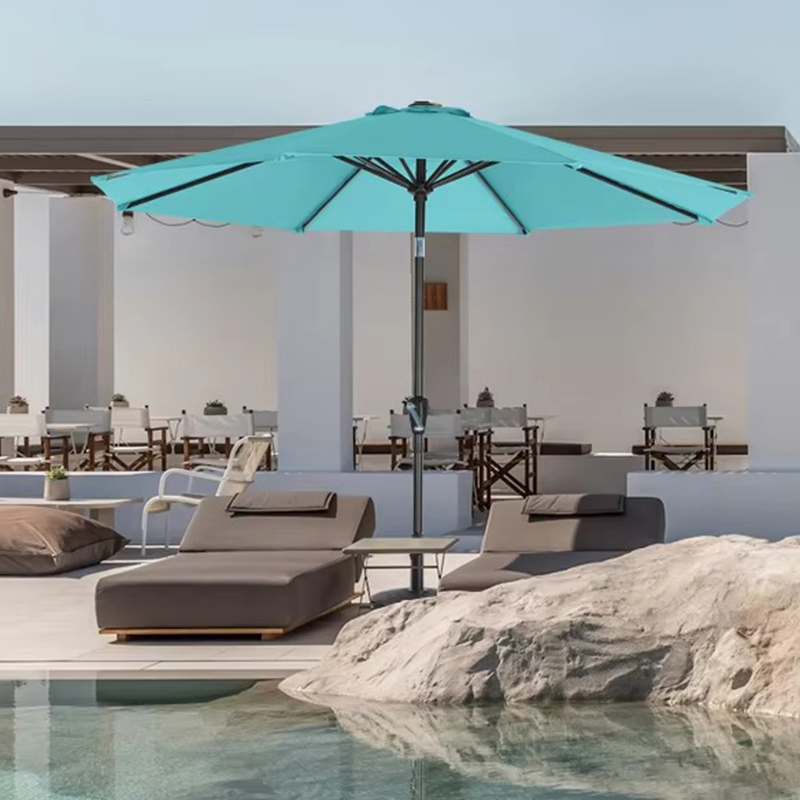 Furnizori de umbrele de grădină personalizate de 9 picioare și 8 nervuri de dimensiuni mari, fabrică OEM/ODM Jinqiao Umbrella Co., Ltd este China OEM/ODM 9 picioare 8 nervuri de dimensiuni mari umbrele de grădină pentru grădină și 9 picioare 8 coaste de grădină de dimensiuni mari ... Vizualizare produs →
 Diametrul stâlpului și mecanismele de deschidere
Diametrul stâlpului contează mai mult decât își dau seama majoritatea cumpărătorilor. Stâlpii subțiri în jur de 25 mm aparțin doar umbrelelor de masă mici. Umbrelele de grădină de la 8 picioare în sus ar trebui să folosească cel puțin stâlpi de la 32 la 38 mm , iar cele mai mari umbrele de pe piață folosesc 48 mm. Pentru mecanisme, înclinarea butonului este simplă și robustă pentru uz casnic; o manivelă de ridicare reduce efortul pe copertine mari; iar un sistem de deschidere automată este convenabil pentru terasele comerciale aglomerate, deși adaugă o piesă mecanică care ar trebui să se potrivească cu durata de viață estimată.
Rezistența vântului, ventilația și baza potrivită
Vântul este distrugătorul numărul unu al umbrelelor de grădină în aer liber. Remedierea nu este o singură componentă, ci trei care lucrează împreună: un baldachin ventilat, o bază dimensionată corect și obiceiul de a închide umbrela atunci când sosesc rafale puternice.
Copertine dublu stratificate si ventilate
Un baldachin cu dublu strat are o fantă deschisă între cele două straturi de țesătură. Această deschidere permite aerului cald să scape în sus și permite vântului să treacă în loc să împingă cu putere contra baldachin. Rezultatul vizibil este mai puțină clătire, mai puțină presiune asupra articulației stâlpului și o zonă vizibil mai rece dedesubt. Pentru grădinile și terasele care se confruntă cu furtuni de vară, un blat ventilat reduce, de asemenea, șansa ca umbrela să se întoarcă pe dos.
Explicam mecanica mai detaliat in articolul nostru despre motivul pentru care o umbrelă de terasă ventilată cu două straturi acționează ca un regulator de climă pentru spațiul exterior .
Dacă comparați modele de producție, umbrelă de terasă impermeabilă ventilată cu două straturi este un exemplu practic al acestui design combinat cu un baldachin impermeabil pentru utilizarea în sezonul ploios.
 Furnizori de umbrele de terasa impermeabile ventilate cu strat dublu personalizat, fapt OEM/ODM Jinqiao Umbrella Co., Ltd este furnizori din China OEM/ODM dublu strat ventilat impermeabil umbrele de patio și dublu strat ventilat Waterp... Vizualizare produs →
 Cât de grea ar trebui să fie baza?
Regulile de greutate de bază sunt simple. O umbrelă de masă de 7 picioare funcționează cu aproximativ 16 până la 23 kg (35 până la 50 lb). O umbrelă de grădină de 9 până la 10 picioare are nevoie de aproximativ 27 până la 41 kg (60 până la 90 lb). Dacă umbrela va sta singură pe o terasă deschisă și nu printr-o masă, alegeți capătul mai greu al gamei. Umbrelele offset au nevoie de și mai mult, deoarece stâlpul este decentrat, ceea ce înmulțește efectul de pârghie.
| Dimensiunea umbrelei | Greutate de bază recomandată | Utilizare tipică |
|---|---|---|
| 7–8 ft | 16–23 kg (35–50 lb) | Mese bistro, terase mici |
| 9–10 ft | 27–41 kg (60–90 lb) | Mese cu șase locuri, terase deschise |
| 11 ft și mai sus | 41–55 kg (90–120 lb) | Seturi mari de luat masa, terase comerciale |
Pentru cumpărătorii care doresc o configurație gata de utilizare, sistemul umbrela mare de gradina rezistenta la vant cu baza elimină presupunerile deoarece baza este potrivită din fabrică cu dimensiunea baldachinului.
 Umbrelă mare personalizată de înaltă calitate, rezistentă la vânt, cu bază Furnizori de umbrele de grădină Jinqiao Umbrella Co., Ltd este China OEM/ODM umbrelă mare rezistentă la vânt de înaltă calitate, cu furnizori de umbrele de grădină de bază și câștiguri de înaltă calitate... Vizualizare produs →
 Când să închideți o umbrelă de grădină
Ca regulă generală, închideți o umbrelă de grădină de sine stătătoare când vânturile susținute ajung la aproximativ 25 mph (40 km/h), chiar dacă baldachinul este ventilat și baza este grea. Un blat ventilat reduce riscul; nu o elimina. Redeschiderea unei umbrele închise durează cinci secunde. Repararea unei nervuri îndoite sau înlocuirea unui stâlp crăpat durează mult mai mult.
Potrivirea dimensiunii umbrelei cu aspectul mesei și al terasei
Cea mai frecventă greșeală de dimensionare este alegerea unui baldachin care este prea mic. Dacă baldachinul este mai îngust decât masa, acesta umbrește blatul, dar îi lasă expuși pe toți cei din jur. Regula practică este să alegeți un baldachin care se extinde cel puțin 60 cm (aproximativ 2 picioare) dincolo de marginea mesei pe fiecare parte .
| Tip tabel | Dimensiunea mesei | Copertina recomandată |
|---|---|---|
| Bistro | 60–70 cm rotund | 2,0–2,2 m (6,5–7 ft) |
| Rotunda cu patru locuri | 90–110 cm rotund | 2,4–2,6 m (8–8,5 ft) |
| Dreptunghiular cu șase locuri | 160–180 cm lungime | 2,7–3,0 m (9–10 ft) |
| dreptunghiular cu opt locuri | 200 cm și mai lung | 3,0 m (11 ft) sau decalaj |
Copertine rotunde vs. copertine decalate
O umbrelă rotundă cu stâlp central este cea mai eficientă alegere pentru mesele standard, deoarece baldachinul poate fi înclinat pentru a urma soarele. O umbrelă decalată sau cantilever este instrumentul potrivit atunci când doriți să umbriți o zonă de lounge, un colț de joacă sau o bancă lungă fără un stâlp central în cale. Compensația este stresul: modelele offset pun mai multă sarcină pe stâlp și pe bază, așa că necesită cea mai grea bază din acest ghid.
Înainte de a alege, vă ajută să înțelegeți cum se schimbă forma unui baldachin acolo unde cade umbra. Aceasta explicativ despre modul în care forma baldachinului influențează cantitatea de umbră pe care o oferă este un bun punct de plecare.
Întreținerea umbrelelor de grădină: o rutină practică
O umbrelă de grădină va rezista mulți ani dacă urmați o rutină săptămânală simplă. Toate sarcinile de mai jos durează aproximativ zece minute și nu necesită instrumente speciale, dar previn majoritatea defecțiunilor umbrelelor pe care le vedem după primul sezon.
- Închideți umbrela în timpul vântului puternic și peste noapte pe terasele expuse.
- După ploaie, lăsați copertina să se deschidă înainte de a o închide, astfel încât umezeala să nu stea între pliuri.
- Curățați baldachinul de două sau trei ori pe sezon cu apă blândă cu săpun și o perie moale. Evitați înălbitorul și detergenții agresivi.
- Reaplicați un spray de impermeabilizare înainte de sezonul umed dacă baldachinul dvs. este mai degrabă din poliester decât acrilic.
- Ștergeți stâlpii din aluminiu anodizat cu o cârpă umedă și condiționați stâlpii din lemn de esență tare cu ulei exterior pentru lemn o dată pe an.
- Inspectați nervurile, balamalele și îmbinarea de înclinare pentru rugină, crăpături sau șuruburi slăbite la începutul fiecărui sezon.
Nu uitați de bază. Păstrați-o fără nisip și resturi, strângeți șuruburile înainte de vară și depozitați umbrela completă în interior dacă regiunea dvs. are perioade lungi de vânt puternic sau zăpadă abundentă.
Umbrele de grădină personalizate pentru afaceri, restaurante și stațiuni
Cumpărătorii comerciali caută rareori un articol de catalog generic. Terasa unui restaurant are nevoie de culorile copertinei care se potrivesc cu fațada clădirii și umbrele care rămân întinse după sute de deschideri pe vară. O stațiune are nevoie de seturi de umbrele coordonate cu un logo curat imprimat pe baldachin. Un centru de grădinărit sau un importator are nevoie de o calitate constantă pentru comenzile repetate și de-a lungul sezoanelor.
Aici contează producția OEM și ODM. Shaoxing Jinqiao Umbrella, un producător de umbrele OEM/ODM fondat în 2004, produce umbrele de grădină conform specificațiilor cumpărătorului, în loc să le solicite cumpărătorilor să se adapteze la o gamă fixă. Linia de produse acoperă umbrele de plajă, umbrele de curte și umbrele de soare aferente pentru exterior, cu peste 100 de variante de produs dezvoltate. Deoarece compania exportă în Europa, America de Nord, Australia și Asia de Sud-Est, experiența sa de producție și ambalare este aliniată cu așteptările internaționale de retail și logistică.
Opțiunile tipice de personalizare într-un proiect ODM includ:
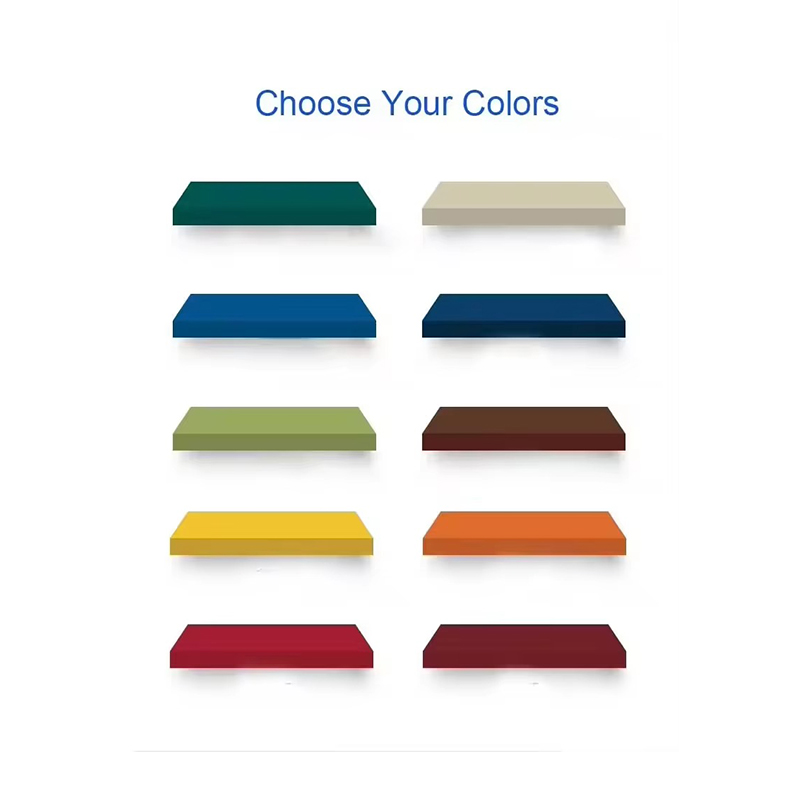
- Culori personalizate pentru baldachin și o alegere între pânză din poliester și pânză acrilică
- Sigle imprimate pe panoul central, pe valet sau pe ambele
- Material și finisaj stâlp: aluminiu anodizat, aluminiu vopsit sau lemn de esență tare
- Numărul de coaste și dimensiunea copertinei de la aproximativ 2,0 m până la 3,5 m
- Baze potrivite, capace de protecție și imprimare cu etichete private
Fluxul de lucru este simplu: începeți cu un model de bază, specificați dimensiunea baldachinului, materialul, stâlpul și mecanismul, aprobați o probă tipărită și apoi confirmați comanda în bloc. Acest proces menține reaprovizionarea sezonieră constantă de la un an la altul, ceea ce este exact de ce au nevoie cumpărătorii comerciali atunci când recomandă aceeași configurație de terasă.
Întrebări frecvente despre umbrele de grădină în aer liber
Ce dimensiune de umbrelă de grădină am nevoie pentru o masă cu șase locuri?
O masă dreptunghiulară cu șase locuri, de obicei de 160 până la 180 cm lungime, se potrivește unui baldachin de 2,7 până la 3,0 m (9 până la 10 ft). Măsurați-vă masa, adăugați aproximativ 60 cm pe fiecare parte pentru oamenii din jurul ei și alegeți următoarea dimensiune disponibilă a umbrelei deasupra acestui număr.
Merită costul suplimentar umbrelele de grădină ventilate sau cu două straturi?
Da, mai ales in zonele cu vant sau locurile cu veri foarte calduroase. Orificiul de ventilație lasă aerul cald să se ridice și reduce presiunea pe care vântul o pune pe baldachin. Rezultatul este o umbrelă mai stabilă și o zonă de relaxare vizibil mai răcoroasă. Singurul dezavantaj este un preț puțin mai mare în comparație cu un baldachin solid cu un singur strat.
Cât de mult vânt poate suporta o umbrelă de grădină în aer liber?
Cu baza corectă, majoritatea umbrelelor de grădină se descurcă fără probleme la vânturi ușoare până la moderate. Regula de bază este să închideți umbrela atunci când vânturile susținute ajung la aproximativ 25 mph (40 km/h). Un baldachin ventilat oferă un plus de stabilitate, dar nu transformă o umbrelă într-o structură permanentă de iarnă.
Este aluminiul sau lemnul mai bun pentru un stâlp de umbrelă de grădină?
Aluminiul este cel mai bun standard pentru utilizare cu întreținere redusă, în special în apropierea piscinelor și în zonele de coastă, deoarece nu ruginește și nu necesită tratament de suprafață. Lemnul arată mai tradițional și este rezistent din punct de vedere structural atunci când lemnul este uscat și finisat corespunzător, dar necesită ungere anuală și depozitare pe timp de iarnă în climat aspre.
Cum opresc umbrela mea de grădină să nu se estompeze?
Alegeți un baldachin acrilic vopsit în soluție dacă decolorarea este principala dvs. preocupare și închideți umbrela atunci când nu este utilizată. Reaplicarea unui spray de impermeabilizare protejează, de asemenea, suprafața exterioară și încetinește îmbătrânirea țesăturii. Pentru copertinele neacoperite din poliester, așteptați-vă la decolorarea vizibilă după câteva sezoane de soare continuu.
Pot comanda umbrele de grădină cu logo-ul meu pentru un restaurant?
Da. Majoritatea producătorilor de umbrele de curte oferă servicii OEM și ODM care includ țesături personalizate pentru baldachin, logo-uri imprimate, finisaje pentru stâlpi și ambalaje. O mostră tipărită este confirmată înainte de comanda în bloc, astfel încât să puteți verifica dimensiunea logo-ului, acuratețea culorii și forma copertinei înainte de a vă angaja în producție.
Umbrelele de grădină blochează suficient soarele pentru pielea sensibilă?
Un baldachin clasificat UPF 50 blochează aproximativ 98% din radiațiile UV și este suficient pentru mesele normale în aer liber. Niciun bloc nu reflectă lumina din sol sau din nori, așa că pentru expunerea prelungită, combinați umbrela cu protecție solară, în loc să vă bazați doar pe umbră.
Concluzia
Cumpărați cea mai bună țesătură de baldachin pe care o puteți permite, insistați pe cel puțin 8 nervuri și un stâlp de aluminiu sau lemn de esență tare dimensionat corespunzător, adăugați un blat ventilat unde vântul este obișnuit și potriviți baza mai degrabă cu baldachinul decât cu prețul umbrelei. Fă asta și o umbrelă de grădină încetează să mai fie un articol sezonier de unică folosință și devine o piesă fiabilă de mobilier de exterior, care își servește scopul pentru multe veri.
Începeți comparația cu baldachinul, pentru că este cea mai mare expunere la soare; apoi lucrați prin cadru, comportamentul vântului și bază. Această comandă poate părea simplă, dar este aceeași comandă pe care o folosesc cumpărătorii comerciali, importatorii și operatorii de ospitalitate atunci când construiesc o terasă care trebuie să arate bine și să rămână în siguranță ani de zile.
Contactați -ne acum
Drepturi de autor 2024 @ Shaoxing Jinqiao Umbrella Co., Ltd. Toate drepturile rezervate.
